
Conical Belts
In the world of machinery and power transmission, conical belts emerge as crucial components in automotive, agricultural, and industrial sectors. These belts, though simplistic in design, are instrumental in maintaining seamless operations, serving as essential elements in machinery setups.
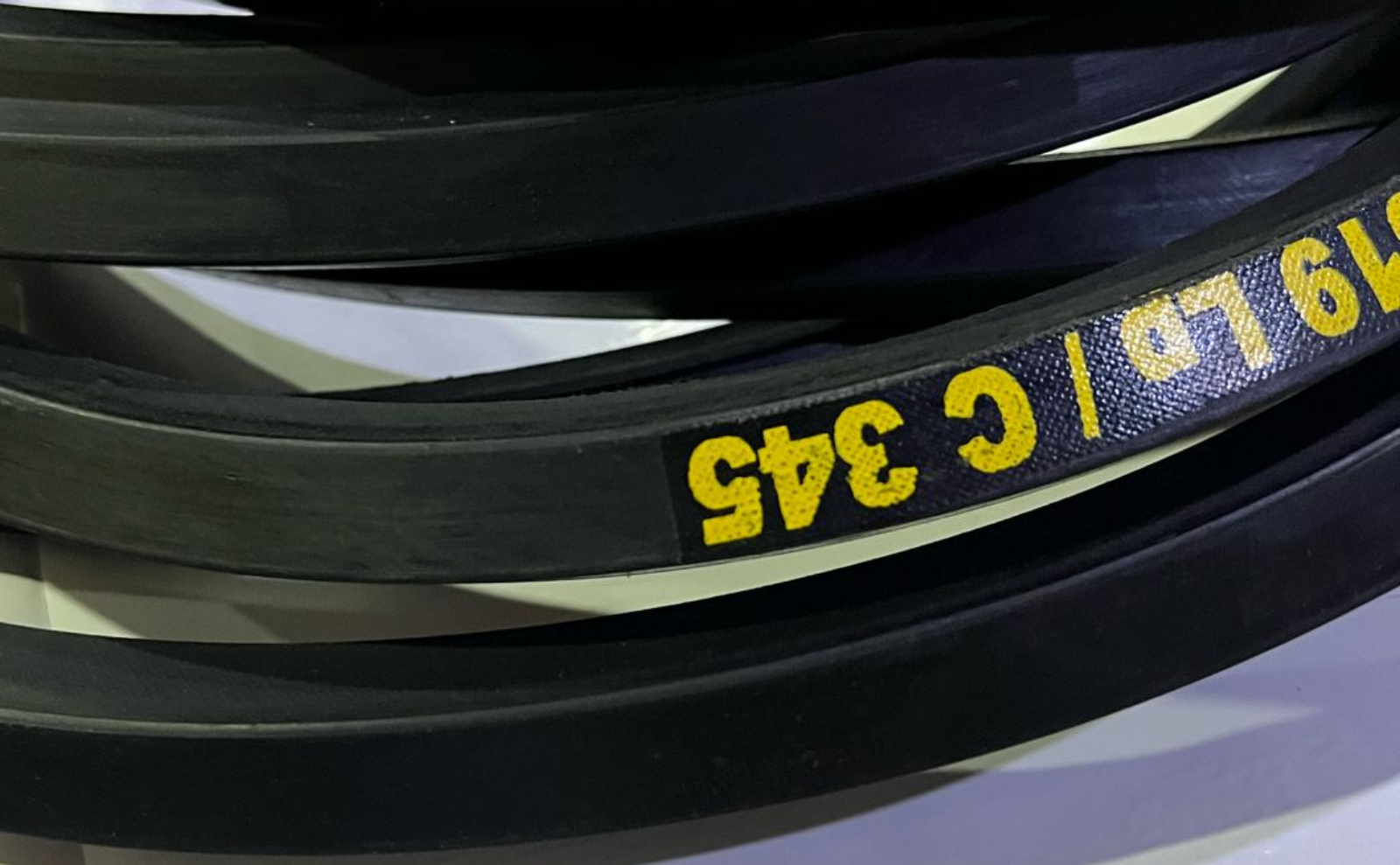
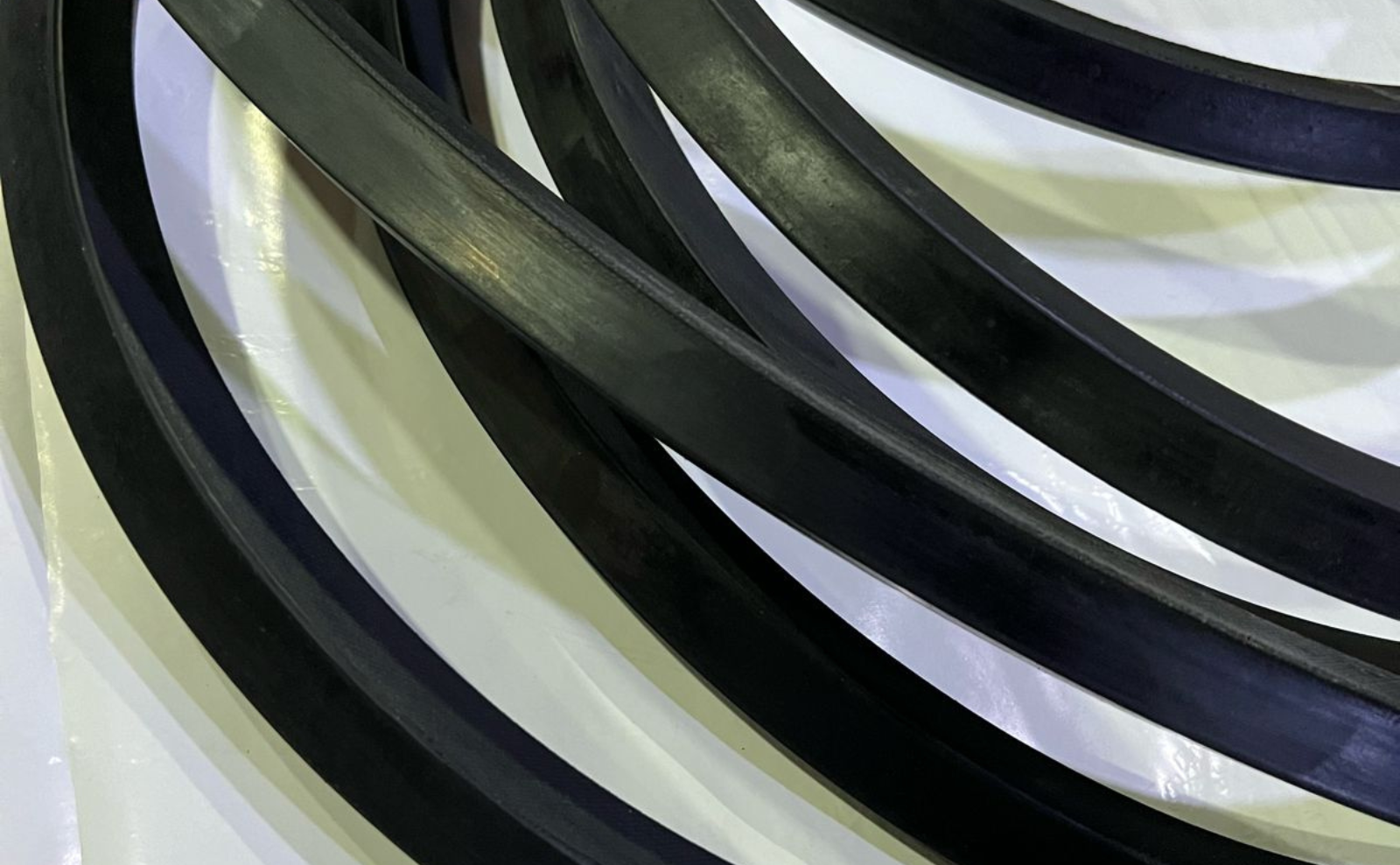
Conical belts, distinguished by their tapered shape, are indispensable for transferring power within machinery systems. Unlike traditional flat belts, conical belts boast a tapered design, offering enhanced performance and adaptability.
Wrapping around pulleys, conical belts facilitate efficient power transmission with minimal slippage. Their tapered structure ensures improved grip and traction, guaranteeing reliable performance even under challenging conditions. This makes conical belts highly sought-after for their superior efficiency in power transmission across various industries.
Advantages of Conical Belts:
1. Enhanced Performance: Conical belts offer superior power transmission efficiency, optimizing overall system performance and ensuring reliable operation.
2. Reduced Wear: Their tapered design minimizes wear and tear, resulting in extended belt life and reduced maintenance requirements.
3. Versatile Applications: Conical belts find applications across diverse industries, including automotive, manufacturing, and agriculture, thanks to their versatility and reliability.
4. Cost-Effective Solution: Conical belts provide a cost-effective solution for power transmission needs, offering long-lasting performance with minimal maintenance requirements.
In summary, conical belts offer a reliable and efficient solution for power transmission in various industrial applications. Their tapered design, coupled with their superior performance and adaptability, makes them the preferred choice for industries seeking reliable power transmission solutions.
Conical belts, distinguished by their tapered shape, are indispensable for transferring power within machinery systems. Unlike traditional flat belts, conical belts boast a tapered design, offering enhanced performance and adaptability.
Wrapping around pulleys, conical belts facilitate efficient power transmission with minimal slippage. Their tapered structure ensures improved grip and traction, guaranteeing reliable performance even under challenging conditions. This makes conical belts highly sought-after for their superior efficiency in power transmission across various industries.
Advantages of Conical Belts:
1. Enhanced Performance: Conical belts offer superior power transmission efficiency, optimizing overall system performance and ensuring reliable operation.
2. Reduced Wear: Their tapered design minimizes wear and tear, resulting in extended belt life and reduced maintenance requirements.
3. Versatile Applications: Conical belts find applications across diverse industries, including automotive, manufacturing, and agriculture, thanks to their versatility and reliability.
4. Cost-Effective Solution: Conical belts provide a cost-effective solution for power transmission needs, offering long-lasting performance with minimal maintenance requirements.
In summary, conical belts offer a reliable and efficient solution for power transmission in various industrial applications. Their tapered design, coupled with their superior performance and adaptability, makes them the preferred choice for industries seeking reliable power transmission solutions.
FAQ -Conical Belts
A conical belt is a type of power transmission belt that features a tapered or conical shape, with a wider width at one end and a narrower width at the other.
Conical belts offer advantages such as improved grip and traction due to their tapered design, making them suitable for applications where enhanced power transmission efficiency is required compared to traditional flat belts.
Conical belts provide enhanced power transmission efficiency, reduced slippage, and improved performance in applications where a secure grip is essential, such as in conveyor systems and industrial machinery.
When choosing a conical belt, factors such as the required power transmission capacity, operating conditions (temperature, speed, environment), and pulley dimensions should be taken into account to ensure optimal performance and longevity.
Conical belts find applications across various industries, including manufacturing, mining, agriculture, and automotive, where efficient power transmission and reliable performance are essential for smooth operations.
